February 24, 2026
High‑Complexity Logistics: Definition and Technological Innovations

High‑complexity logistics (HCL), also known as complex logistics, is now a key element in modern supply chains.
Managing this type of operation involves coordinating multiple variables—geographical, regulatory, demand‑related, and customization‑related—that can only be addressed through specialized capabilities and advanced technology.
At Logista, we have consolidated an operating model designed to manage high‑complexity logistics environments. Our different subsidiaries provide highly specialized capabilities—such as temperature control, pharmaceutical distribution, multimodal transport, urgent parcel services, or editorial services—that, when combined, allow us to offer advanced logistics solutions with full traceability, thermal control, and the highest regulatory compliance.
Thanks to this multi‑specialized structure, we serve sectors requiring high levels of precision, reliability, and control throughout the supply chain: pharma and healthcare, technology, electronics, luxury, tobacco, high‑value goods, and ADR merchandise, among others.
What Is High‑Complexity Logistics?
High‑complexity logistics encompasses processes and decisions that must be executed in a coordinated and cross‑functional manner. Its essential pillars are:
- Demand planning: anticipating needs and aligning production and distribution flows.
- Inventory management: preventing stockouts or surpluses accurately, using data and analysis.
- Transport control: selecting optimal routes, transport modes, and delivery windows.
- Regulatory and operational compliance: operating under strict frameworks such as GDP, ADR, TAPA, or health regulations.
Demand behavior, the growing number of products, geographical dispersion, or the need for customization turn logistics into a constantly changing environment where small variations can generate significant impacts.
Technological Innovation:
The Enabler of Complexity Management
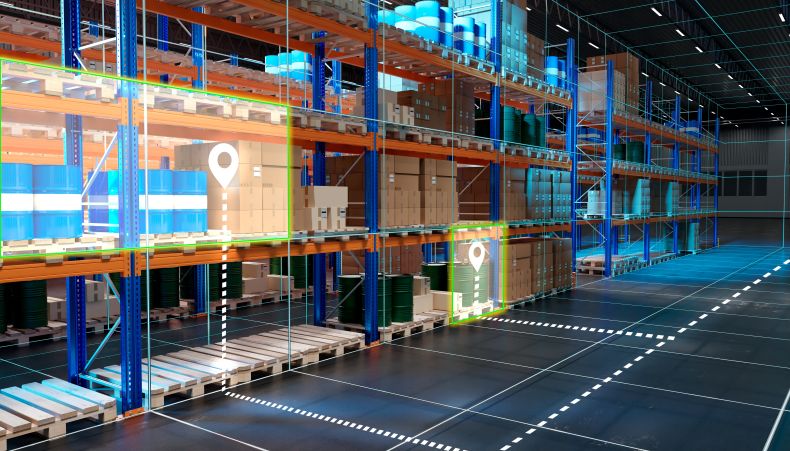
Technology is an unavoidable factor that provides logistics with visibility, control, and a greater ability to anticipate.
- Advanced Monitoring and IoT for Total Visibility
Through connected sensors, it is possible to know the real‑time location, environmental conditions, and even the status of shipments.
At Logista, we apply these systems in critical operations: cold chain, high‑value goods, tobacco, electronics, pharmaceuticals, ADR… monitoring parameters such as temperature, humidity, door openings, routes, or immobilizations.
Our technology integrates all this information to offer full traceability, strengthening service security and improving process quality. - Artificial Intelligence (AI) and Advanced Analytics
Predictive models make it possible to analyze demand patterns, optimize transport routes, and identify and anticipate incidents. AI has become an essential ally in ensuring uninterrupted supply. - Integrated ERPs and Process Automation
ERP systems connect information about routes, inventories, logistics documentation, and incident management in real time.
Warehouse automation—robots, automatic sorters, and smart picking systems—reduces errors, shortens processing times, and enhances responsiveness.
In the case of urgent parcel services, NACEX has strengthened these capabilities through the modernization of its logistics platform in Porto, incorporating advanced technology to process high volumes with maximum reliability.
Last Mile: The Great Challenge of Modern Logistics
The last mile represents the final stretch to the end customer and concentrates much of the logistical complexity:
- Expectations of fast delivery: Customers expect fast and flexible deliveries, increasing pressure on logistics performance.
- High costs: The last mile may represent up to 50% of total transport costs due to inefficiencies.
- Decentralization: Deliveries to multiple dispersed destinations require meticulous planning and adequate resource availability.
Innovative Solutions for the Last Mile
To address these challenges, companies are adopting innovative logistics solutions such as:
- Electric vehicles and drones: They not only reduce carbon emissions but also improve performance in congested urban areas.
- Pick‑up and collaborative delivery points: Working with local collection points offers more customer options and reduces the number of home deliveries.
- Real‑time tracking technology: This provides customers with accurate updates on delivery status, improving the customer experience.
At Logista, we promote these solutions through our proximity networks and flexible services such as NACEX Shop, delivering efficiency, accessibility, and sustainability.
How Logista Addresses High‑Complexity Logistics
At Logista and our subsidiaries, we operate under an integrated model that combines specialization, technology, and a unique multimodal infrastructure to manage complex logistics reliably.
- At Logista Pharma, work is carried out across temperature ranges from 2–8 ºC to ultra‑frozen ranges between −70 ºC and −196 ºC to ensure the preservation of extremely sensitive products.
- With Transportes El Mosca, we expand the capacity of our multimodal and refrigerated maritime transport, developing Reefer containers, as well as groupage services for international markets.
- In last‑mile services, NACEX boosts competitiveness through advanced automation and solutions aimed at improving delivery times and accuracy.
- At Logista Freight, we offer long‑distance transport solutions through an extensive European network that guarantees safe, traceable, and efficient operations for all types of goods, adapting to each customer’s logistics needs.
Together, these capabilities allow us to deliver resilient, sustainable logistics solutions tailored to sectors where precision and traceability are essential.
All this aligns with our Strategic Sustainability Plan, focused on fleet decarbonization, the use of HVO biofuels, operational electrification, and circular‑economy practices applied to packaging and processes.
The information published on this website is of a general nature and is not intended to meet any individual needs. It does not constitute professional or legal advice and its content is for information purposes only and should not under any circumstances be used or considered as an offer to sell, a solicitation of an offer to buy or a recommendation to enter into any other transaction.
Logista has obtained the information, multimedia content and materials contained on the Website from sources it believes to be reliable, but while Logista has taken all reasonable steps to ensure that the information contained therein is correct, Logista expressly disclaims any liability for errors or omissions in the information contained in the pages of this Website. Logista reserves the right to modify, suspend, cancel or restrict the content of the Website, links or information obtained through the Website, without prior notice. Logista shall not be liable for any damages that may arise from the use of the information on the Website.